
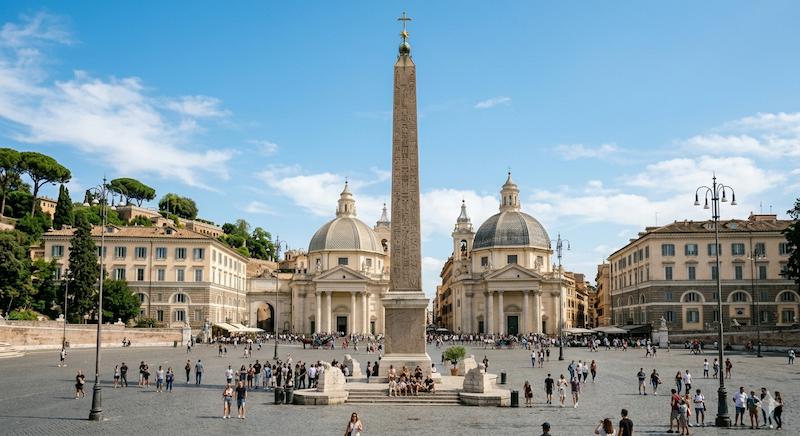
One of the strangest things many visitors notice in Rome is the number of obelisks scattered across the city. They appear in famous piazzas, near churches, in fountains, and even on hills overlooking the historic center.
Compared to other European cities, Rome seems unusually filled with these tall stone monuments. The reason goes back thousands of years and involves emperors, popes, ancient Egypt, and political power.
Many travelers discover the deeper meaning behind them through Rome tours, where guides explain how obelisks became some of the most important symbolic landmarks in the city.
Most Roman Obelisks Originally Came from Egypt
Many of the obelisks visible in Rome today were not built in Italy. They were transported from ancient Egypt during the Roman Empire.
Roman emperors brought them to the city as symbols of:
- military conquest
- imperial authority
- cultural prestige
Bringing enormous Egyptian monuments to Rome demonstrated the empire’s global reach and engineering power.
Obelisks Became Political Symbols
In ancient Rome, obelisks were more than decorative monuments. They represented control, victory, and legitimacy.
Placing an obelisk in a public space allowed emperors to:
- impress the population
- reinforce their authority
- connect themselves with the grandeur of Egypt
The monuments became visual statements of power visible across the city.
Popes Reused Obelisks to Reshape Rome
Centuries later, popes began repositioning obelisks throughout Rome during major urban redesign projects.
Instead of removing these ancient monuments, they reused them to:
- organize important piazzas
- create visual landmarks
- guide movement through the city
This is why many obelisks now stand near churches and fountains.
Why Obelisks Are Often in the Center of Piazzas
Obelisks naturally draw attention upward and create strong visual focus points.
In Rome they were strategically placed to:
- anchor large public spaces
- emphasize important religious or political buildings
- make the city feel more monumental
The St. Peter’s Square is one of the best examples of this urban design strategy.
Rome Has More Ancient Obelisks Than Egypt
Surprisingly, Rome contains more ancient Egyptian obelisks than any city outside Egypt itself.
This unusual concentration exists because Roman emperors systematically transported them across the Mediterranean over centuries.
It remains one of the clearest examples of how Rome absorbed and reused elements from conquered cultures.
Moving Obelisks Was an Engineering Achievement
Transporting these monuments was incredibly difficult. Some weigh hundreds of tons and had to be moved across sea and land without modern machinery.
Even repositioning them inside Rome required:
- massive labor forces
- complex engineering systems
- detailed urban planning
The process itself became a demonstration of power and technical ability.
Obelisks Still Shape Rome’s Identity Today
Modern visitors often see obelisks without realizing how deeply connected they are to Rome’s history and visual identity.
They continue to function as:
- landmarks
- meeting points
- symbols of continuity between ancient and modern Rome
Once you notice them, you begin to see them everywhere across the city.
Final Thoughts
Rome has so many obelisks because they were never simply decorative objects. They represented conquest, authority, engineering, and urban planning across different historical periods.
Understanding their role changes the way you see the city. What first appears as a random architectural detail becomes part of a much larger story about power, history, and the transformation of Rome over centuries.


