
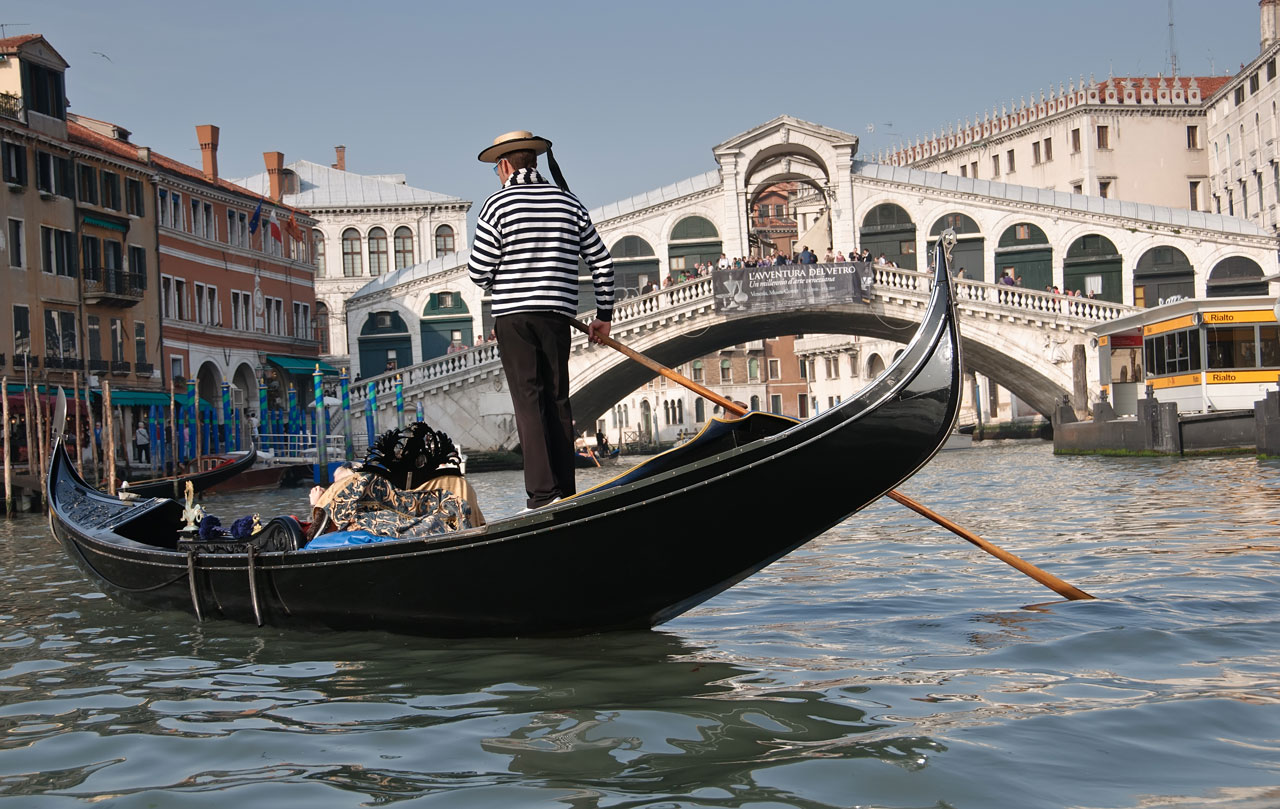
Imagine a city with no cars, no buses, and no traffic lights. Now imagine that this city is built on water, with narrow alleyways, marble bridges, and boats gliding through canals. This is everyday life in Venice, where modern mobility meets medieval urban design — and where Venetians have adapted beautifully to living without automobiles.
But how do they manage daily life — commuting, deliveries, emergencies, even garbage collection — without cars?
Let’s dive into how Venetians live, move, and work in one of the world’s most unique and enchanting urban environments.
If you want to truly experience this lifestyle, consider discovering it with a private guided tour of Venice.
A City Designed for Walking and Water
Venice was built long before the invention of the automobile. Its foundations lie on more than 100 small islands, connected by over 400 bridges and crisscrossed by canals instead of streets. There are no roads — only stone-paved alleys and waterways.
This urban design creates a daily lifestyle centered around walking and water transport.
How Venetians Get Around
1. Walking Is King
-
Most Venetians walk everywhere — from school to the market, from home to work.
-
Streets are narrow, winding, and often include stairs or small bridges.
-
Sturdy shoes, weather awareness, and physical stamina are part of daily life.
2. Vaporetti: The Water Buses
-
These are the public transportation boats that serve the entire city.
-
Operated by ACTV, they connect major islands and stops along the Grand Canal.
-
Locals often purchase monthly passes to commute affordably.
3. Private Boats and Taxis
-
Some Venetians own private boats for daily use.
-
Water taxis, although expensive, are used for quick or late-night transport.
4. Traghetti and Gondolas
-
Traghetti are gondola-style boats used to cross the Grand Canal at points without bridges.
-
Gondolas are mostly for tourists, but were once the primary personal transport of nobles.
Deliveries and Daily Services — Without Trucks
How do groceries, construction materials, or furniture get delivered in a car-free city?
The Answer: “Porters and Boats”
-
Cargo boats deliver goods to designated docks.
-
From there, handcarts (carrelli) and porters distribute them through narrow lanes.
-
Restaurants, shops, and even hospitals receive supplies this way every day.
Even garbage collection is done by workers on foot, pulling large carts and transferring waste to boats docked at collection points.
Emergencies and Health Services
1. Ambulance Boats
-
Venice has a fleet of medical boats operated by the emergency service (118).
-
These boats are fully equipped and can reach most areas quickly via canals.
2. Fire and Police Services
-
Specialized firefighting boats with water cannons are used for building fires.
-
Police boats patrol the canals and manage both safety and boat traffic.
The Pros and Challenges of a Car-Free Life
Benefits:
-
No air pollution or traffic noise
-
A strong sense of community and neighborhood life
-
Physical activity is built into everyday routines
-
Streets feel safer and more peaceful
Challenges:
-
Moving heavy items is labor-intensive
-
Navigation during high tides (acqua alta) can be difficult
-
Elderly residents may find mobility more challenging
-
Emergencies require boat access, which may cause delays
Modern Adaptations and Community Life
Venetians are remarkably adaptable. Over generations, they’ve learned to blend tradition with modern needs:
-
Online shopping deliveries still happen — by boat and foot.
-
Children walk or ride boats to school — often independently from a young age.
-
Social life centers around campo squares, local bars, and walking paths.
Venice remains a human-scale city, where community interaction and daily movement are naturally integrated.
Conclusion: A Life Built on Rhythm, Not Roads
Living in Venice without cars isn’t just possible — it’s a source of pride. The city’s unique structure fosters deeper connection with space, neighbors, and tradition. Venetians move more slowly, but also more consciously — surrounded by beauty and history.
For visitors, it’s a lesson in how urban life can thrive without wheels. For Venetians, it’s simply called normal life.


